


Body Oils vs Dry Oils: What’s Best for Your Skin?
Body Oils vs Dry Oils: What’s Best for Your Skin?
A Complete Guide to Hydration, Ingredients, and What Actually Works
If you’re searching for the best body oil for dry skin or wondering whether a dry oil is enough to keep your skin hydrated, the answer comes down to formulation.
Body oils have become one of the most effective—and increasingly popular—ways to hydrate and care for skin. From lightweight body oils that absorb quickly to richer botanical blends that deeply nourish, they offer a versatile alternative to traditional lotions and creams.
But not all oils are created equal.
What’s the difference between a body oil and a dry oil?
Why do some “body oils” contain water?
And which oils actually support healthy, hydrated skin?
This guide breaks down what matters most—so you can choose a body oil that delivers both immediate results and long-term skin benefits.

Why Oils Work So Well for Skin
Your skin’s outermost layer—the skin barrier—is made up of lipids (fats), including fatty acids, ceramides, and cholesterol. This barrier is responsible for:
- Retaining moisture
- Protecting against environmental stressors
- Maintaining smooth, resilient skin
When this barrier becomes compromised, skin often feels dry, tight, or rough.
Oils help restore what your skin naturally needs.
Plant-based oils are rich in fatty acids that closely mimic those found in healthy skin. Research shows that topical plant oils can help improve barrier function, hydration, and overall skin condition:
👉 https://pmc.ncbi.nlm.nih.gov/articles/PMC5796020/
Some oils—especially those rich in linoleic acid—play a direct role in supporting the skin barrier and reducing inflammation:
👉 https://pmc.ncbi.nlm.nih.gov/articles/PMC11719646/
In simple terms:
Oils don’t just sit on your skin—they help support and strengthen it.
Benefits of Using Body Oils
Deep, Lasting Hydration
One of the main reasons skin becomes dry is something called transepidermal water loss (TEWL)—a natural process where water evaporates from your skin throughout the day.
When your skin barrier is weakened, this water loss increases—leading to dryness.
Body oils help reduce this by forming a protective layer on the skin that slows water evaporation and helps lock in moisture. Research shows that occlusive ingredients, including oils, can reduce TEWL and improve hydration:
👉 https://pmc.ncbi.nlm.nih.gov/articles/PMC4885180/
Simply put:
Oils help your skin hold onto hydration longer, making them one of the most effective solutions for dry skin.
Softer, Smoother Skin
Fatty acids help smooth rough texture and improve overall skin feel.
Healthy, Natural Glow
Oils reflect light naturally, creating a radiant, healthy-looking finish.
Barrier Support
Topical plant oils have been shown to support skin barrier repair and recovery:
👉 https://pmc.ncbi.nlm.nih.gov/articles/PMC10794395/
Versatility
Body oils can be used:
- After showering
- As a massage oil
- Added to bath water
- Layered with lotion

What Makes a Body Oil Effective? Understanding the Formula
Not all body oils are created equal—and the difference comes down to formulation.
A high-quality body oil typically contains:
1. Base Oils (The Foundation)
These deliver hydration, nourishment, and barrier support.
👉 This is the most important part of the formula and determines how effective the oil will be.
2. Lightweight Enhancers (Optional)
Used to:
- Improve spreadability
- Create a silky, fast-absorbing body oil feel
These influence texture—but not long-term skin health.
3. Active / Specialty Oils
Provide:
- Antioxidants
- Skin-repair benefits
- Environmental protection
The Best Base Oils for Skin
The best body oils for skin hydration are those rich in essential fatty acids.
- Apricot Kernel Oil – lightweight, nourishing, fast-absorbing
- Grapeseed Oil – supports barrier and balances skin
- Jojoba Oil – mimics natural sebum
👉 https://pubmed.ncbi.nlm.nih.gov/24442052/ - Sunflower Seed Oil – supports hydration and barrier function
👉 https://pubmed.ncbi.nlm.nih.gov/12113324/ - Antioxidant-Rich Seed Oils – pomegranate, cranberry, black cumin
Why Do Some Body Oils Contain Water?
Some “body oils” are actually oil-water hybrids.
They:
- Feel lighter on the skin
- Provide immediate hydration
- Require preservatives
True body oils (100% oil-based) are:
- More concentrated
- More stable
- Longer-lasting
Body Oil vs Dry Oil: What’s the Difference?
Body Oil
- Richer
- More nourishing
- Best for deep hydration
Dry Oil
- Fast-absorbing
- Lightweight
- Non-greasy
A dry oil refers to how the oil feels—not what it contains.
Are Dry Oils as Effective as Body Oils?
Dry oils → lightweight hydration
Body oils → deeper nourishment
The most effective formulations combine both—creating a lightweight body oil that still delivers lasting hydration.
The Best of Both Worlds: A True Botanical Dry Oil
A true botanical dry oil uses naturally lightweight plant oils—like apricot kernel oil—to deliver:
- Fast absorption
- Silky finish
- Real skin nourishment
This creates a fast-absorbing body oil that still supports the skin barrier and provides long-term hydration.
Botanical Dry Oil vs. Ester-Based Dry Oil
Not all dry oils are created the same. Some are formulated primarily for texture, while others are designed to support the skin.
| Feature | Botanical Dry Oil (Plant-Based) | Ester-Based Dry Oil |
|---|---|---|
| Primary Ingredients | Plant oils (apricot, grapeseed, sunflower, jojoba) | CCT, synthetic esters |
| Skin Nourishment | ⭐⭐⭐⭐⭐ | ⭐⭐ |
| Barrier Support | ⭐⭐⭐⭐⭐ | ⭐⭐ |
| Hydration Longevity | ⭐⭐⭐⭐⭐ | ⭐⭐⭐ |
| Absorption Speed | ⭐⭐⭐⭐ | ⭐⭐⭐⭐⭐ |
| Skin Feel | Lightweight, naturally silky | Ultra-light, dry-touch |
| Ingredient Integrity | Minimally processed | Highly refined |
| Primary Benefit | Skin health + hydration | Texture + feel |
Why This Matters
Ester-based dry oils are designed primarily for sensory experience, while botanical dry oils are formulated to support both the look and function of the skin.
When formulated well, a botanical dry oil delivers:
- The same lightweight feel
- With added nourishment and long-term benefits
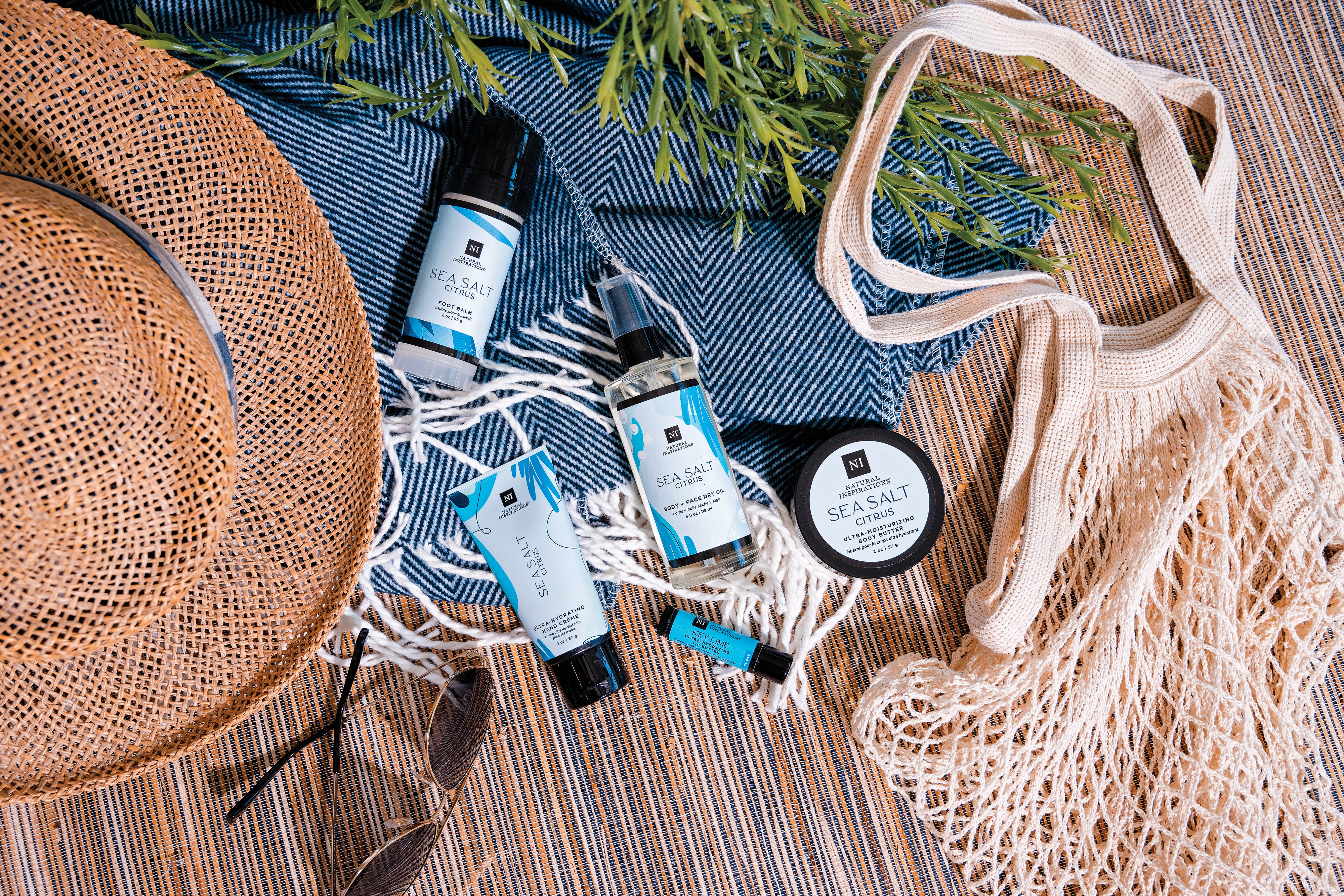
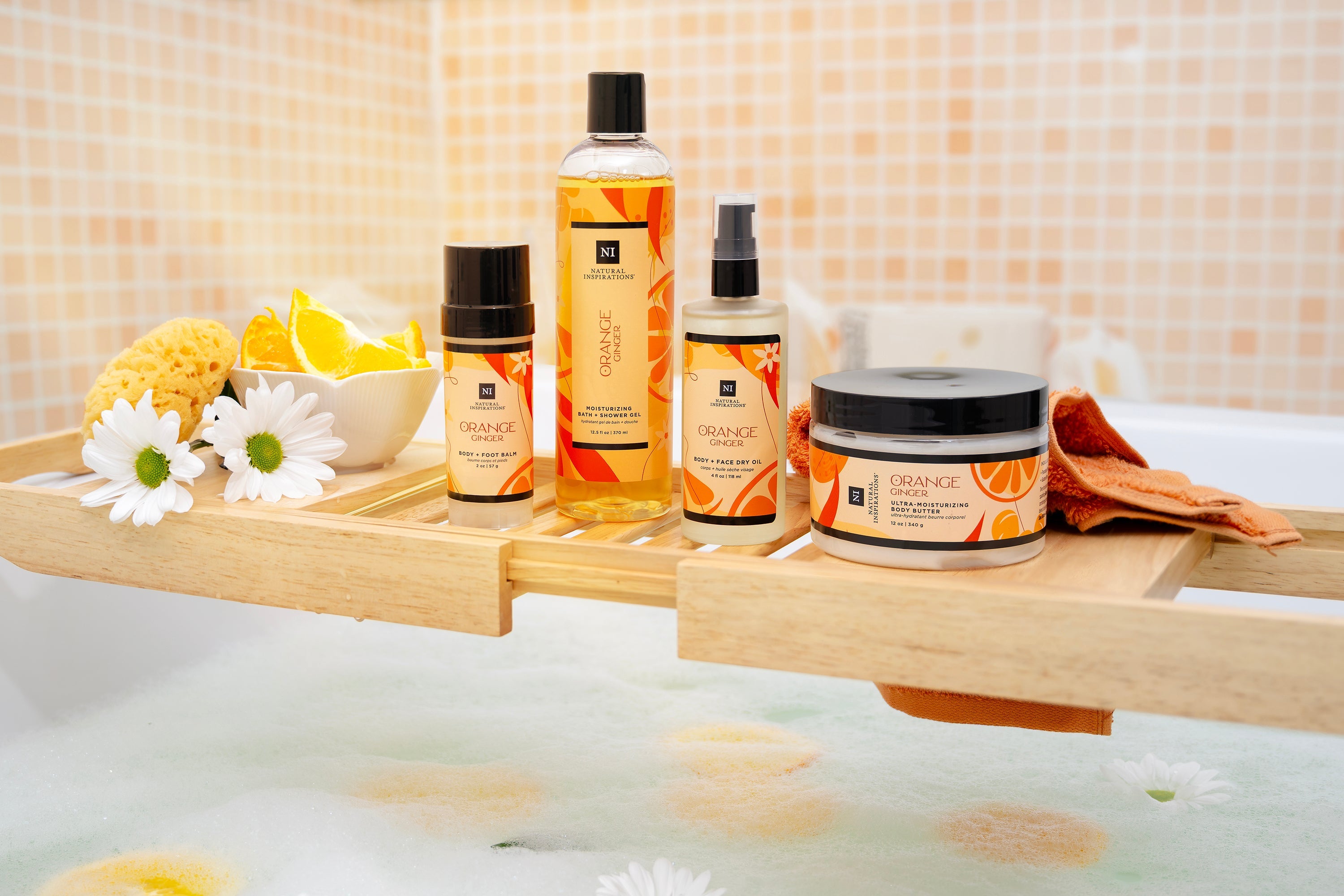
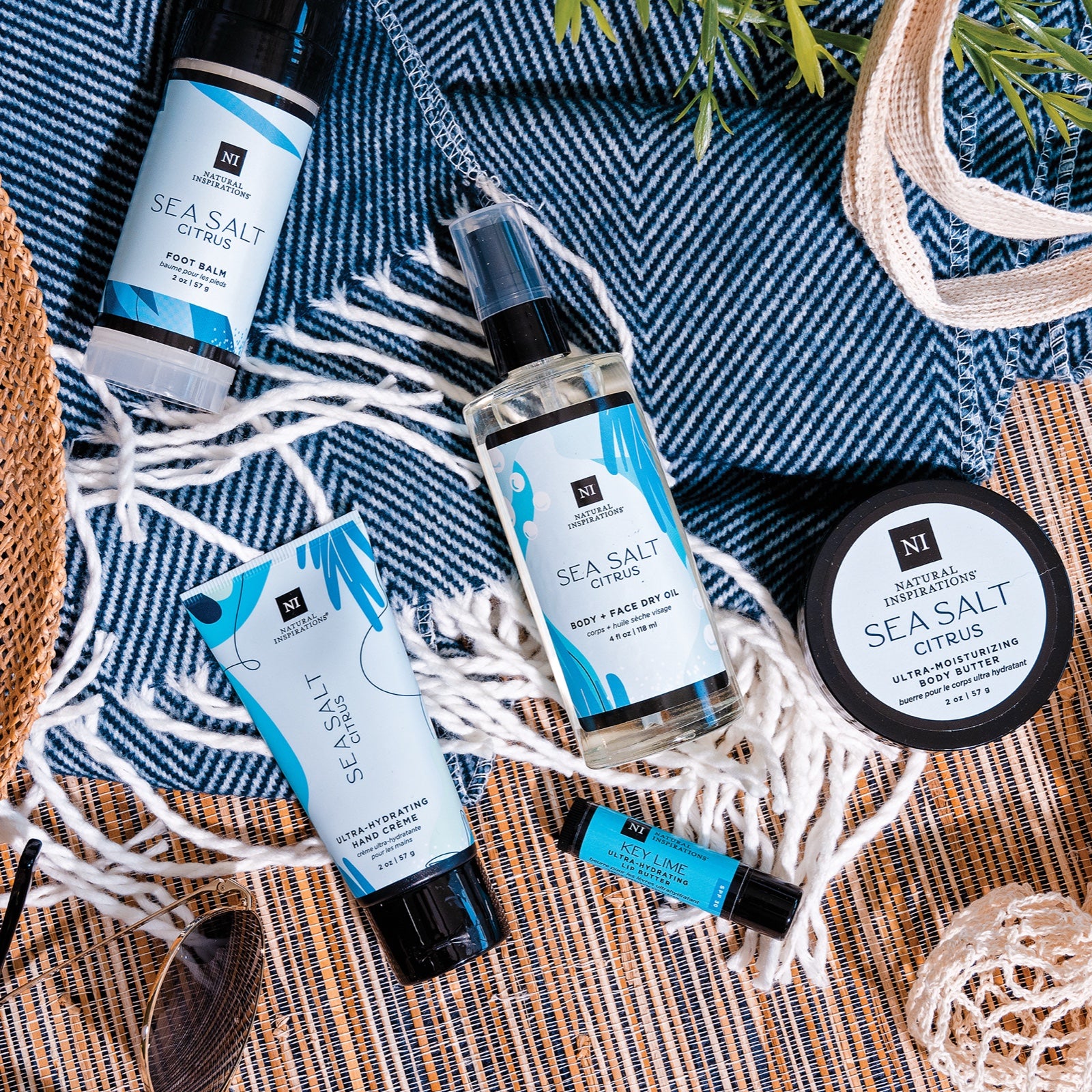
Natural Inspirations Dry Body Oil
At Natural Inspirations, we believe body care should do more than feel good—it should support your skin.
Our Dry Body Oil is designed to deliver:
- Lightweight, fast-absorbing feel
- Nutrient-rich botanical oils
- Antioxidant support from seed oils
Shop Natural Inspirations Dry Body Oil
Lightweight feel. Real nourishment. The best of both worlds.

A More Thoughtful Approach
Instead of relying on synthetic fillers, we use:
- Naturally lightweight oils
- Skin-compatible fatty acids
This creates a true botanical dry oil—one that feels elegant while delivering meaningful results.
Can You Use Body Oil on Your Face?
Yes—if the formula is lightweight and well-balanced.
- Use 1–2 drops
- Apply to damp skin
- Press gently into skin
This makes lightweight body oils a versatile option for those who prefer a simplified skincare routine.
How to Use Body Oil for Best Results
To get the most out of your body oil:
- Apply to damp skin after showering
- Use a small amount and build as needed
- Layer with lotion for extra hydration
- Use consistently for best results
👉 This method helps maximize hydration and reduce moisture loss.
Ready to Upgrade Your Routine?
Explore fast-absorbing, botanical body oils that nourish while they glow.
Choosing the Right Body Oil
When selecting a body oil, focus on:
- Plant-based oils rich in fatty acids
- Lightweight, fast-absorbing textures
- Formulas that support the skin barrier
👉 Explore Natural Inspirations Dry Body Oil
Final Thoughts
The best body oils don’t force you to choose between feel and performance.
They deliver both.
The Takeaway
- Oils support the skin barrier and reduce moisture loss
- Base oils determine performance
- Dry oil refers to feel—not ingredients
- The best formulas combine lightweight absorption + real nourishment

Frequently Asked Questions About Body Oils
What is a dry oil?
A dry oil is a lightweight oil that absorbs quickly into the skin and leaves a non-greasy, silky finish.
Are body oils better than lotion?
Body oils and lotions serve different purposes. Lotions provide water-based hydration, while oils help lock in moisture. Many people use both together for optimal results.
Can body oil hydrate skin without water?
Yes. Oils don’t add water, but they help prevent water loss—keeping your skin hydrated longer.
What is the best body oil for dry skin?
The best body oils for dry skin contain fatty acid-rich plant oils like apricot kernel oil, sunflower oil, and grapeseed oil.
Can body oil clog pores?
Some oils can clog pores, but lightweight oils like grapeseed and apricot kernel oil are generally considered low risk for most skin types.
Can you use body oil on your face?
Yes, if the oil is lightweight and used in small amounts (1–2 drops). It works best for normal to dry skin.
Why is my skin still dry after using oil?
Your skin may be lacking water, not oil. Applying oil to damp skin or layering with a hydrating product can improve results.